


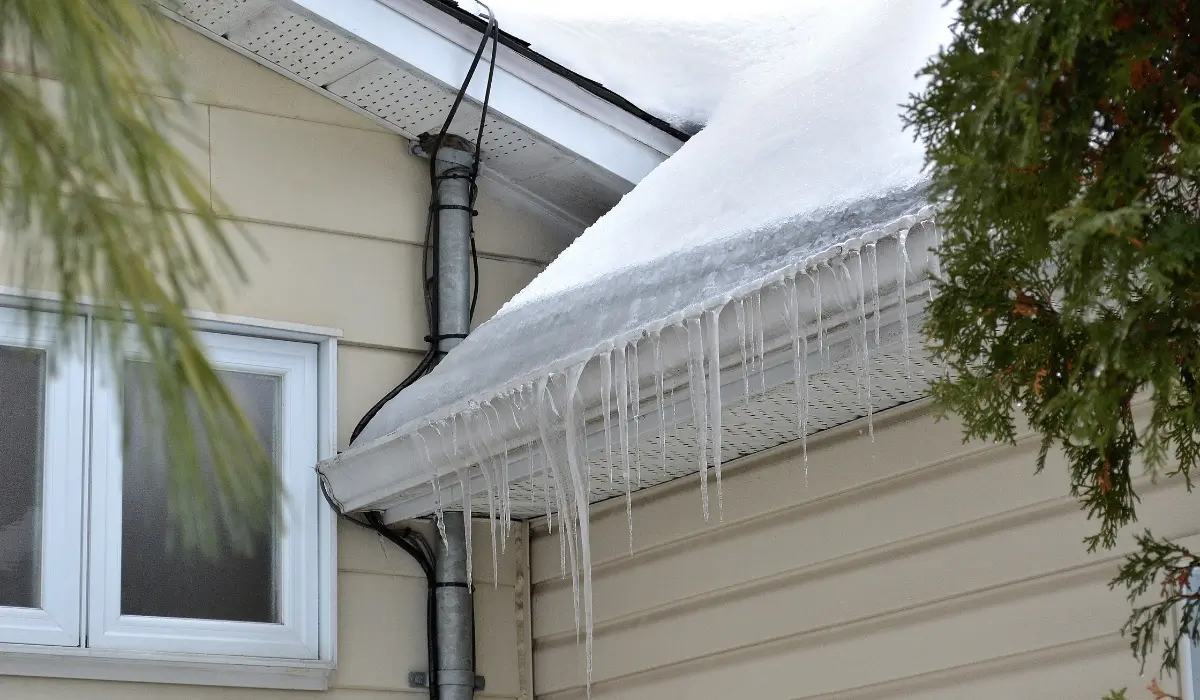
Winter Damage? 5 Signs Your Home Needs Immediate Repair
5 Urgent Home Repair Signs Caused by Hidden Winter Damage
If your home is showing signs of winter damage, immediate action can prevent minor problems from turning into costly repairs. Royal Craft Home Remodelers helps Illinois homeowners catch issues early, including ice dam roof damage, siding cracks, and frozen plumbing. Cold temperatures put constant stress on roofs, gutters, windows, and insulation, especially after snow or freezing rain.
Waiting too long allows damage to spread beneath the surface and makes repairs more expensive. This guide highlights five urgent warning signs that signal your home may need attention now and how our roofing services can help protect it this winter.
Noticing signs of winter wear? A fast response can stop the damage cold. Call now to talk with a local specialist and take the first step toward protecting your home before conditions get worse.
Why Winter Damage Is So Risky for Illinois Homeowners
Winter puts your home under constant stress. Even small weaknesses can quickly escalate under harsh conditions like heavy snow loads or rapid freeze-thaw cycles, both of which are common across Illinois during January and February.
Based on long-term regional climate data, temperatures often swing above and below freezing in a single 48-hour span, amplifying stress on roofing, gutters, and exterior materials.
- Heavy snow loads weighing down your roof
- Freeze-thaw cycles that expand cracks in materials
- Moisture intrusion from wind-driven snow and rain
As temperatures shift above and below freezing, building materials expand and contract. This movement leads to:
- Stress fractures in roofing and siding
- Gaps that allow water and ice inside
- Subtle damage that worsens over time
Issues like attic moisture or cracked siding often stay hidden until major repairs are needed.
The longer you wait, the worse it gets. Delayed repairs can result in:
- Rotted roof decking
- Soaked insulation
- Higher restoration costs
Early intervention prevents minor damage from becoming a major setback.
5 Signs You Need Emergency Home Repairs
Winter reveals issues most homeowners never see coming. If something feels off in your home, it might be more than just the cold. These five red flags signal that immediate repairs may be needed to prevent serious damage.
1. Leaky or Sagging Rooflines
Ice dams often form when snow melts and refreezes near roof edges. This traps water under shingles and leads to attic leaks.
Common signs include:
- Sagging sections along gutters
- Curling shingles or dark streaks
- Water dripping behind siding
Just one inch of ridge ice can add over 40 pounds per linear foot. That weight stresses gutters and decking, often triggering searches for gutter repair near me. Our roofing services reinforce trouble spots and stop damage before it spreads.
2. Interior Water Stains After a Storm
Ceiling or wall stains after snow or rain usually trace back to failed flashing or ventilation. Warm air trapped in the attic causes condensation that soaks insulation.
Mold can develop within 48 hours of exposure to moisture. Thermal imaging helps locate hidden leaks without opening up walls. Home repair contractors use this method to isolate damage and avoid unnecessary work.
3. Siding Cracks or Warping
Frigid temperatures cause siding to contract. Panels may pull loose or crack, exposing the wall beneath to cold air and moisture.
Warning signs:
- Gaps around windows and seams
- Warped or brittle panels
- Bubbling interior paint
Even small cracks allow moisture to reach the sheathing, where mold or rot can develop and siding damage often spreads unnoticed. Siding services prevent deeper issues and restore curb appeal.
4. Frozen or Burst Pipes
Pipes in crawlspaces, basements, and exterior walls freeze when temperatures hit 20°F or below. Ice expansion creates up to 2,000 PSI, enough to burst most materials.
Early symptoms:
- No water from taps
- Ice on exposed pipes
- Banging noises when water runs
Burst pipes lead to drywall damage, soaked insulation, and ruined flooring. A winter inspection checks pipe insulation and identifies high-risk zones before freezing temps return.
5. Drafts and Cold Spots in Living Spaces
Drafts near walls, windows, or ceilings often mean insulation has broken down or air leaks are present. Heat loss from attics and windows can drive up to 40% of winter energy waste.
Uneven temperatures stress your HVAC system, cause discomfort, and increase bills. Our attic services seal problem areas and install fresh insulation to keep warmth inside where it belongs.
Roofline sagging or stains on the ceiling? Acting early prevents deeper damage. Get a FREE estimate ➝ and feel confident knowing your home is ready for what winter brings next.
What Happens When Winter Damage Gets Ignored Too Long
Delaying repairs during winter gives small problems time to grow. What starts as a minor leak or draft often leads to widespread damage behind walls or under the roofline.
Here’s what commonly happens when action is delayed:
- Water spreads fast across insulation, framing, and drywall
- Mold grows within 24 to 48 hours once materials stay damp
- Rot and structural weakening often go unnoticed until spring
- Repair costs double or triple as more components need replacement
Unaddressed damage may also impact insurance coverage. Claims can be denied when carriers determine the issue stems from neglect or delayed maintenance.
A simple patch job in January can turn into full reconstruction by March. Acting early helps protect your home, your budget, and your peace of mind.
What a Winter Home Inspection Covers
Surface-level damage rarely tells the whole story. A winter home inspection targets the areas most vulnerable to cold-weather strain, helping you address problems before they escalate into major repairs. An inspection typically focuses on:
Roof surface and flashing
Heavy snow adds up to 20 pounds per cubic foot on a standard roof. Older shingles and worn flashing often fail under that weight, sometimes accelerating the need for roof replacement. Inspectors check for warping, soft decking, and signs of water intrusion beneath shingles.
Gutters And Downspouts
Improper pitch or debris buildup causes water to freeze in place. That added ice weighs down gutter brackets and forces water toward the fascia board and siding.
Windows, Siding, And Energy Loss Points
Thermal imaging helps detect cold air leaks around window frames and siding seams, common contributors to hidden winter damage. A small draft can increase heating costs by up to 25 percent over the season.
Plumbing System Review
Exposed pipes in uninsulated zones are checked for frost, pressure buildup, or condensation, all early indicators that frozen pipes may already be forming.
Attic And Crawlspace Insulation
Compressed, outdated, or moisture-damaged insulation no longer protects against temperature swings. Missing insulation over recessed lights and eaves often leads to heat loss and ice dam formation.
Foundation And Slab Inspection
Frost heave can shift slabs and crack basement walls. Inspectors look for hairline fractures, signs of moisture seepage, and pressure from shifting soil.
Thermal imaging, moisture meters, and airflow testing often reveal problems not visible to the naked eye. These tools help identify heat loss zones, trapped moisture, and structural movement before damage becomes costly.
How Royal Craft Can Help. Emergency + Preventive Services
From ceiling stains to ice-damaged siding, Royal Craft brings over 50 years of trusted experience to winter repair projects across Chicagoland and surrounding areas. Each job is handled with urgency, precision, and the right materials for cold-weather conditions.
Winter support includes:
- Emergency response for active leaks or structural damage
- Certified inspections with clear photo documentation
- Skilled repair crews using trusted methods
- Work backed by written warranties and long-term support
How long a repair takes depends on the damage and the weather; we confirm a timeline after the inspection. Client reviews and the project gallery reflect the speed and quality of the work.
Snow buildup along the roofline, clogged gutters, or cold drafts near windows and doors often signal early damage. The licensed team handles these issues with the tools, materials, and experience to get it done right.
Winter-ready services include:
- Roofing
- Windows
- Doors
- Gutters
- Attic Insulation
Don’t Wait for Winter Damage to Get Worse
Cold weather exposes what your home cannot hide. From roof leaks to cracked siding, winter damage spreads quickly and often goes unnoticed until it becomes costly. Delaying repairs can turn a small issue into a major structural concern. Spotting one sign such as ceiling stains, sagging gutters, or cold drafts often points to deeper problems.
Taking action early helps avoid long-term damage and expensive fixes in the spring. Licensed professionals trained in winter-related repairs can assess the situation and make precise corrections. The right time to act is when warning signs first appear, not after the damage is already done.
Worried about winter damage? Book a no-obligation home inspection today. Don’t wait until it’s too late. Call (630) 725-1000 today to prevent costly repairs.